Fahad Ashfaq: Reimagining a 1944 Bunker Scene Through AI Short Filmmaking

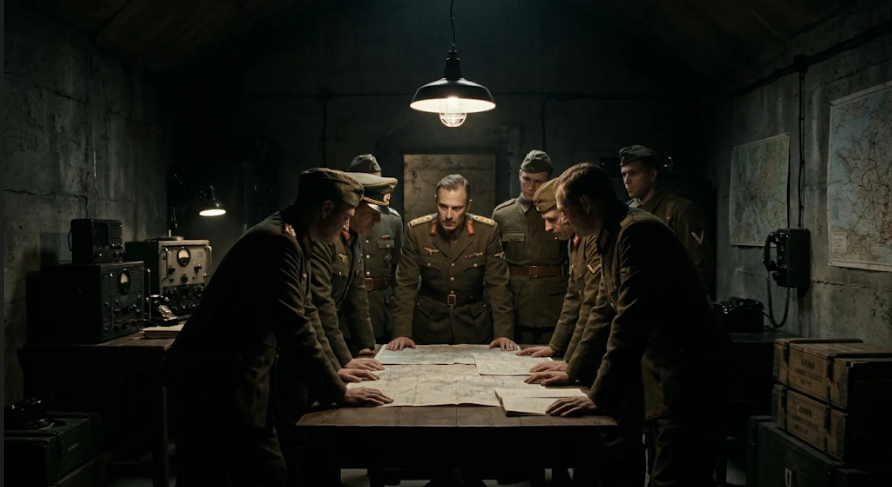
History is often preserved through grainy photographs, faded letters, and textbook summaries that keep the past at a safe emotional distance. While archival records tell us what happened, they rarely capture the tension, lighting, and atmosphere of living through a defining moment. At Reminisco, our goal is to bridge that gap by using generative AI tools to produce short films that reimagine pivotal moments in history. Rather than replacing historical scholarship, AI filmmaking offers a new visual lens to experience the past.
In developing a recent short-film concept set inside a fortified 1944 bunker during World War II, I experienced firsthand how generative video transforms pre-production and visual storytelling. Traditionally, recreating a mid-twentieth-century command post requires physical set construction, period uniforms, vintage radio equipment, and expensive cinema lighting. With modern AI video workflows, a small student team can test camera angles, flickering tungsten shadows, and authentic environmental textures from a single laptop. Iterating on visual prompts allows filmmakers to focus deeply on pacing, framing, and emotional weight before committing to a final sequence.
However, generating convincing historical scenes requires much more than typing a quick description into a prompt box. Without careful direction, AI models frequently introduce modern artifacts, inconsistent uniforms, or anachronistic architecture that immediately break immersion. Achieving historical credibility means researching specific details, such as the exact layout of field communications gear, period-accurate typography on maps, and natural film grain, and guiding the model step by step. Every generated clip must be reviewed critically, trimmed, and paired with realistic sound design like distant static, footsteps on concrete, and ambient room tone to feel grounded.
Ethical transparency is equally important when blending artificial intelligence with historical narratives. Viewers should always know when they are watching an AI-assisted reconstruction rather than genuine archival footage. By clearly labeling our creative process and grounding every scene in documented context, AI short films can spark curiosity and invite audiences to explore real history further. For independent creators and students, tools like these lower the barrier to historical cinema, turning researched moments from history into vivid stories that audiences can see, hear, and remember.